
Effective Biceps Strengthening: Evidence-Based Exercise Selection and Technique Insights for Healthcare Professionals
September 24, 2025Psychological Dynamics of Obsession and Emotional Attachment: Insights for Healthcare Professionals
December 30, 2025
The healthcare industry operates at high speed which leads medical students and pharmacists to focus on complicated medication knowledge while they neglect the most basic yet highly effective health solution which is water. Our bodies need this essential element for survival which means we must recognize its fundamental role in both professional settings and individual wellness practices.

The Scientific Case for Hydration in Healthcare
From a clinical perspective, water is not just important—it’s essential. The human body comprises approximately 60% water, with vital organs like the brain containing even higher percentages. The structure of the human brain tissue holds vital information which enables medical professionals to understand brain function and its impact on human health, particularly in relation to diseases such as high blood pressure.
Cognitive Performance: Critical for Medical Education
For medical students spending long hours studying complex material, proper hydration is non-negotiable and can be enhanced with a water prescription. Research demonstrates that even mild dehydration (1-2% of body weight) can reduce focus by up to 30%. Medical professionals must stay properly hydrated during exam and clinical rotation stress periods to maintain their essential memory retention and logical reasoning abilities.
Pharmacokinetic Implications
Water plays an essential role in medication effectiveness which becomes particularly important for students who study pharmacology and pharmacy. The body requires water to properly absorb oral medications, including those prescribed for various diseases. The fluid balance in the body determines how effectively medications spread through the bloodstream to reach their target organs, impacting the effectiveness of prescriptions. The body needs water to perform enzymatic drug metabolism processes at an efficient level, ensuring that medications are effective, especially in the case of prescriptions. Water plays a vital role in the process of drug metabolite elimination which helps to decrease side effects from medications, including those prescribed for high blood pressure.
Clinical Benefits Beyond Medication Management
Physical Performance
Healthcare professionals require continuous energy and concentration to complete their extended work hours. Proper hydration:
- Water enables muscles to function at their peak by boosting their performance by 25%, which is crucial for maintaining vitality during physical activity.
- Blood pressure and circulation function at their best when water levels are balanced
- Water helps the body stay cool when performing physical tasks that require effort
- People feel less tired both physically and mentally when they drink water, contributing to their overall vitality and rejuvenation.
Immune Function
Particularly relevant in clinical settings where exposure to pathogens is common:
- The body protects against pathogens through mucosal barriers which function as its main defense system, enhancing overall rejuvenation.
- The system enables lymphatic fluid movement which carries immune cells throughout the body, contributing to overall vitality.
- The system enables the body to eliminate harmful substances and metabolic waste.
Practical Implementation for Healthcare Professionals
Healthcare professionals who understand the significance of evidence-based interventions can establish organized systems for hydration management.
- Clinical Integration: Healthcare providers should carry their own water bottles during work to show patients the importance of hydration through their example.
- Medication Counseling: Patients should take their medications with sufficient water intake except when doctors specifically advise against it.
- Habit Formation around regular hydration can be supported by establishing a water prescription to ensure sufficient intake.: Establish hydration routines tied to regular activities (e.g., drinking water before each meal or after seeing each patient)
- Nutritional Approach to hydration can include a personalized water prescription to optimize health outcomes.: Incorporate water-rich foods like cucumbers, watermelon, and citrus fruits into meals
Overcoming Common Barriers
Healthcare professionals encounter particular obstacles which make it difficult for them to stay hydrated.
- Limited breaks during clinical rotations or shifts
- Restricted access to restrooms during extended procedures
- Forgetting to drink when focused on patient care can lead to decreased vitality and hinder the effectiveness of prescribed treatments.
The solution to these barriers requires pre-planned strategies which include short hydration breaks and visual signals, such as reminders for a water prescription and mobile device alarms.
Conclusion: A Professional Perspective
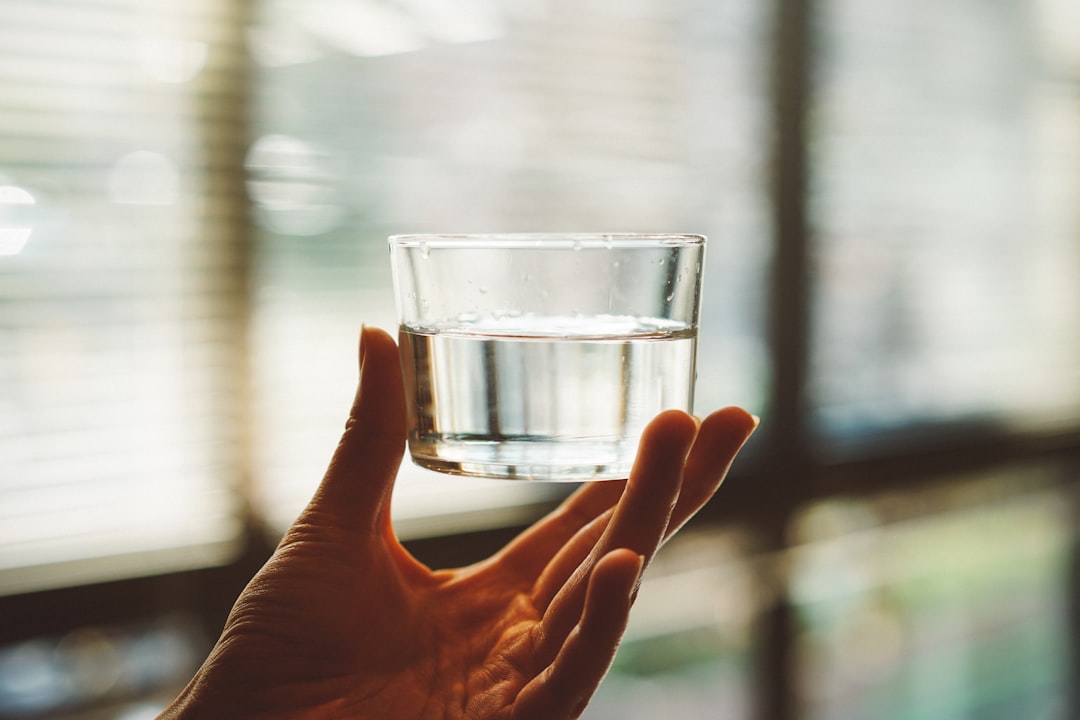
Healthcare providers of the future must learn about water’s health benefits because this knowledge enables them to improve their own wellness and their ability to help patients. The healthcare industry develops complex medical treatments yet simple approaches often produce the most effective results.
Healthcare professionals need to check their patients’ blood pressure when they discuss medication routines and lifestyle changes. The demanding nature of your healthcare career requires you to stay hydrated because it affects both your mental clarity and physical energy which then influences your patient care standards.
What hydration strategies have you found effective during long clinical shifts or study sessions, especially those that incorporate a water prescription? How might you incorporate hydration counseling into your patient interactions? Healthcare excellence requires us to analyze these questions for our practice improvement efforts.