
Psychological Dynamics of Obsession and Emotional Attachment: Insights for Healthcare Professionals
December 30, 2025
Defending the Skeleton After CDK4/6 Inhibition
April 21, 2026Psychological obsession within interpersonal relationships is not primarily dictated by physical attributes, intellectual prowess, or conventional success. Instead, the underlying mechanism involves the complex interplay of emotional safety, vulnerability, and identity reinforcement that occurs between individuals.
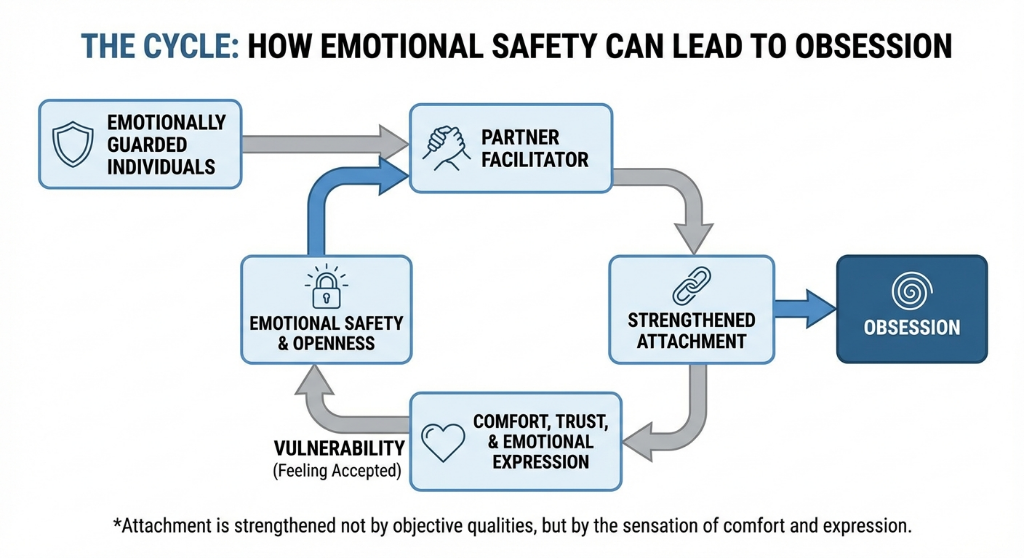
You need to understand that obsession often arises when an individual experiences a heightened sense of emotional safety and openness with their partner. Individuals who are typically emotionally guarded may become vulnerable in the presence of someone who facilitates and accepts that vulnerability. When this occurs, a cycle is established—attachment is strengthened not by the objective qualities of the individual, but by the sensation of comfort, trust, and emotional expression that accompanies their presence.
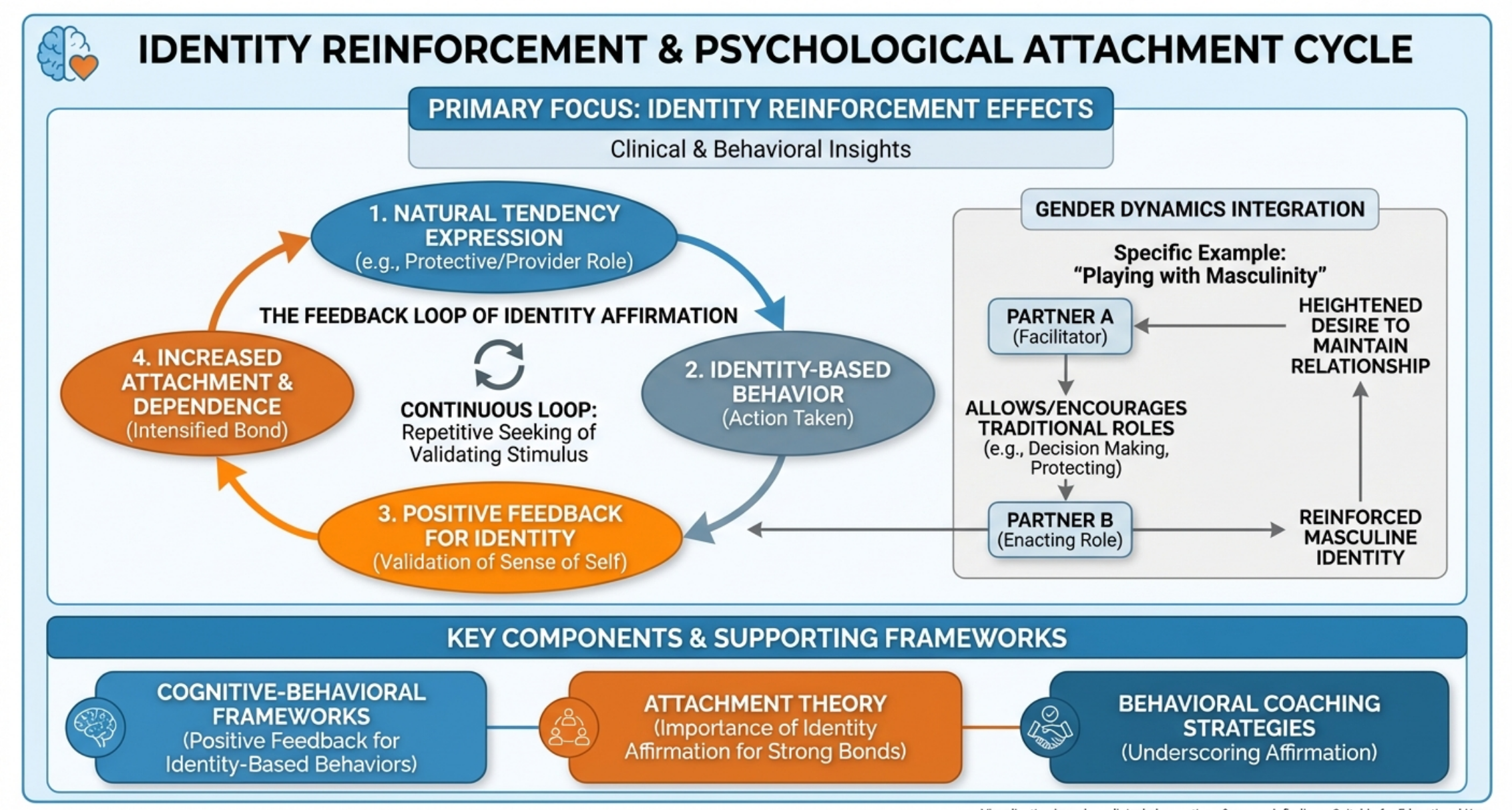
Clinical observations indicate that the reinforcement of identity plays a crucial role in this dynamic. When an individual is allowed—or encouraged—to express their natural tendencies (for example, stepping into a protective or provider role), their sense of self is validated and enhanced. Such reinforcement can increase attachments and intensify psychological dependence. This is a phenomenon often described in cognitive-behavioral frameworks as positive feedback for identity-based behaviors, leading to repetitive seeking of the validating stimulus.
Gender dynamics may also influence this process. For instance, the concept of “playing with masculinity” suggests that allowing a partner to enact traditionally masculine roles—making decisions, providing, or protecting—may reinforce their masculine identity, potentially heightening their desire to maintain the relationship with the individual who facilitates this validation. These findings are supported by behavioral coaching strategies and attachment theory research, which underscore the importance of identity affirmation in developing strong psychological bonds.
As a clinician, you should be attuned to the nuances of these interpersonal processes, especially in the context of patients expressing distress related to obsessive relationships. Assessment should consider not only external stressors and objective compatibility but also the underlying psychological needs being met—such as emotional safety, vulnerability, and identity reinforcement. Addressing these dynamics is often central to effective counseling and behavioral interventions.
When supporting individuals navigating obsessive relational attachments, evidence-based strategies include:
- Encouraging self-reflection on the emotions experienced within the relationship.
- Identifying specific behaviors and interactions that reinforce feelings of safety or self-worth.
- Facilitating discussions about boundaries and the differentiation between psychological safety and dependency.
- Considering the broader implications for mental health, including risks of emotional dependence and impaired autonomy.
In summary, obsessive attachments are typically maintained not by objective characteristics, but by how an individual feels about themselves and their emotional state in the presence of another. You must always approach this phenomenon with clinical rigor, aiming to understand and, where appropriate, disrupt maladaptive cycles to preserve psychological well-being.